
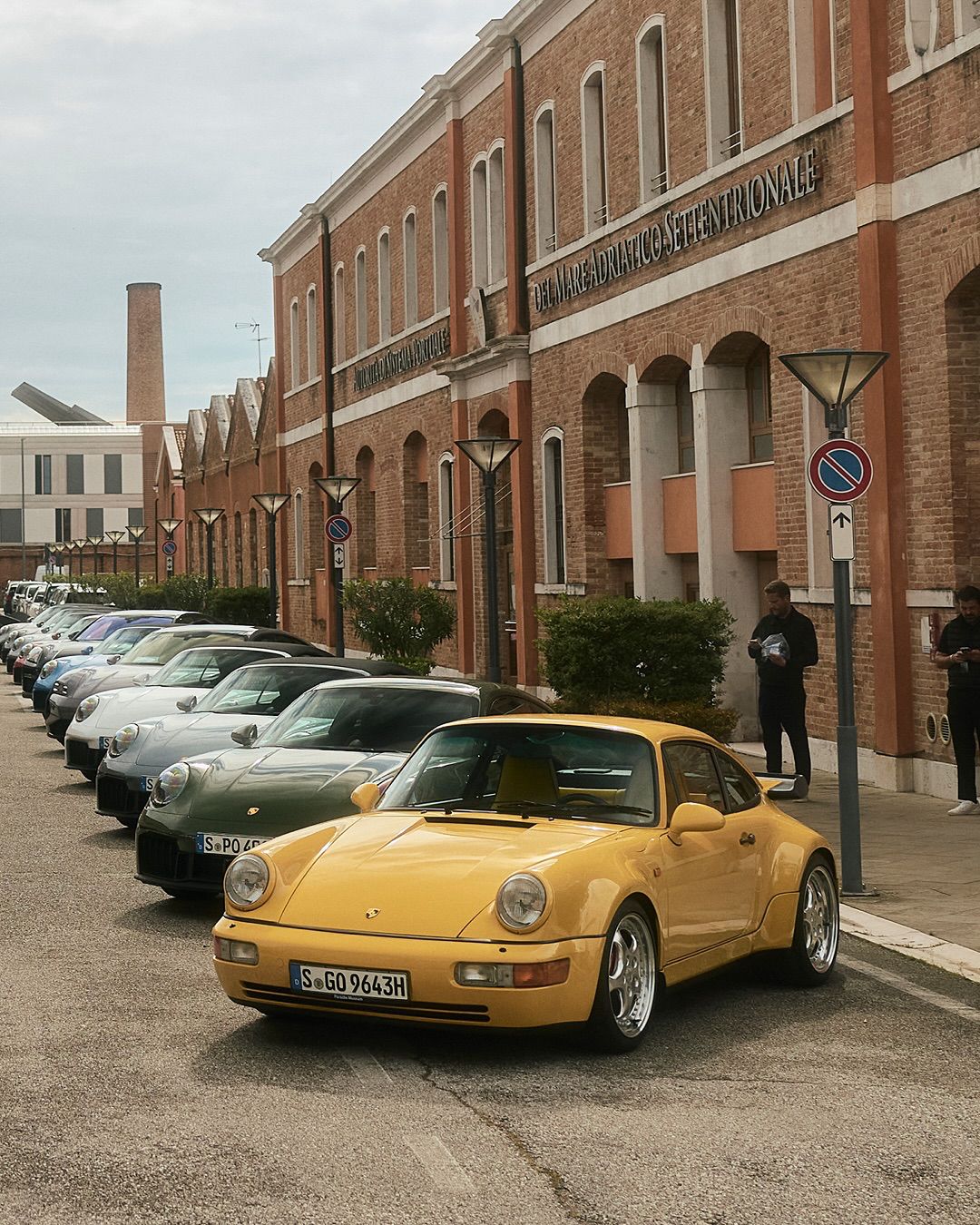
The 19th International Architecture Exhibition of La Biennale di Venezia, themed “Intelligens. Natural. Artificial. Collective”, is running from May 10 to November 23, 2025 under the artistic direction of Carlo Ratti. It has quickly become one of the most talked-about events in architecture and design this year—especially for its focus on sustainable mobility, hybrid infrastructure, and installations that bridge nature, technology, and urban heritage. artribune.com+3Porsche Newsroom+3archiportale.com+3
Porsche & Foster: “Gateway to Venice’s Waterways”
A particularly striking highlight is the collaboration between Porsche and the Norman Foster Foundation, part of Porsche’s art & design initiative “The Art of Dreams”. Together they have unveiled an installation titled “Gateway to Venice’s Waterways” at the Arsenale. Norman Foster Foundation+3Porsche Newsroom+3Porsche Newsroom+3
- The installation is about 37 meters long and acts as a visual and functional gateway, nodding to Venice’s network of historic bridges while simultaneously offering a vision for future urban mobility. Porsche Newsroom+2Porsche Newsroom+2
- It’s built with lightweight aluminium structure, and incorporates a kinetic surface inspired by Porsche’s design language—evoking the Porsche 917 and the modern aesthetic cues of their newer models. Porsche Newsroom+1
- During the opening week, the installation is not just symbolic: it connects to new electric modes of transport on water and land, including water bikes (Schiller Bikes) and electric sports boats (such as the Frauscher x Porsche 850 Fantom Air, powered by an all-electric version of the Porsche Macan Turbo). Porsche Newsroom+2Porsche Newsroom+2
This structure aims to provoke reflection on how historic cities like Venice can adapt to modern mobility demands while preserving their identity—a central challenge under the Biennale’s theme of balancing natural, artificial, and collective intelligence. Porsche Newsroom+2Porsche Newsroom+2
Deep Blue Venice’s Role
In an exclusive comment, Francesco Pannoli, CEO and founder of Deep Blue Venice, shared his thoughts on the company’s involvement in the Biennale Architettura 2025:
“We are truly proud to have supported Porsche and their guests during such a prestigious event,” said Pannoli. “For us, it was not only about handling logistics and ensuring that every detail ran smoothly, but also about creating an authentic Venetian experience that reflected the cultural and international significance of the Biennale. Events like these are incredibly important for the city, as they bring together art, culture, and influential personalities from all over the world. We look forward with great enthusiasm to collaborating again on future projects of this caliber.”
Broader Context & Other Highlights
- Critics have noted that this Biennale merges high-concept academia and experimental art: from robotics to AI, many installations challenge visitors to rethink urban infrastructure. The Guardian, for example, highlighted such works alongside the Foster–Porsche installation, noting the Biennale’s blend of ambition and complexity. The Guardian
- Archiportale emphasized how the Foster-Porsche hub acts both as a symbol and a practical proposal—envisioning sustainable urban change by linking electric transport on water and land. archiportale.com
Why It Matters
“Gateway to Venice’s Waterways” isn’t just an aesthetic showpiece—it’s a conversation starter. It’s about how heritage cities face climate change, mobility constraints, and the pressure to modernize without losing soul. Installations like this one, backed by brands like Porsche and architects of Foster’s stature, signal a new direction: architecture as facilitator of mobility, sustainability, and identity.
For Venice, for architecture, for innovation—and yes, for those of us (like thousands of viewers and my team at Deep Blue Venice) who believe modern design can both preserve and propel tradition—it’s a moment to remember.
